 Duty to Serve
Duty to Serve
Duty to Serve
Federal R&D Tax Credit
The federal research credit has been in the tax code since 1981 and permanent since 2015. Most small and mid-size companies that qualify have never claimed it, because they picture a laboratory and stop looking. Four questions decide it.
Intake takes about two minutes. Nothing upfront.
Section 41
Whether your work qualifies comes down to four questions. Most owners have never had them explained. Answer yes to all four and the work counts.
You were trying to make a product or a process better. Faster, cheaper, more reliable, tighter tolerance, higher yield.
At the start you did not know whether it would work, or which approach would get you there.
You tried things. Modeled, prototyped, ran samples, adjusted, ran them again.
The work leaned on engineering, physics, chemistry, biology, or computer science.
It did not have to work. Uncertainty is what qualifies the work, not success. The line you scrapped, the material that did not hold, the automation project abandoned in month four. All of it counts on the same terms as the work that shipped.
The gap
Roughly 80 billion dollars in federal research credits are claimed annually, and the bulk of it goes to companies with full-time tax departments. Your CPA files clean returns. Credit studies are a different specialty, the way your GP does not do surgery, so the work never gets documented and the credit never gets claimed.
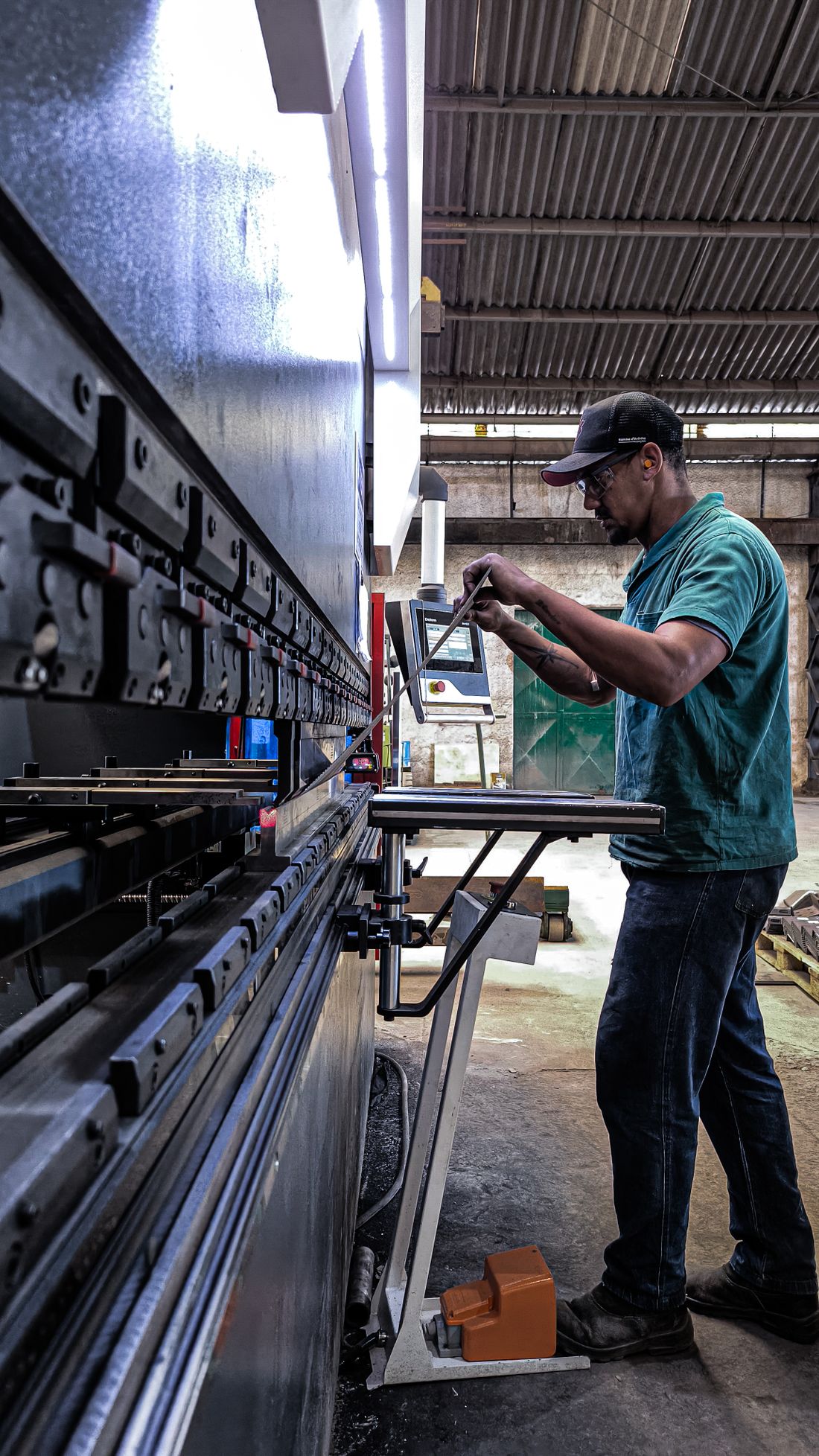
The work itself is ordinary. Process improvement, tooling, fixture design, automation, formulation changes, software builds, problem solving on the floor. Your engineers would call it Tuesday.
A quick estimate, not a guarantee. Final amounts depend on your records.
Qualified research expenses are calculated as wages for technical work, plus 65 percent of U.S. contractor spend, plus supplies and development cloud computing. The federal credit commonly lands between 6 and 10 percent of that figure. State credits vary and are not included here. This estimate is for informational purposes only. It is not an offer, a promise of a specific result, or a guarantee of eligibility. Your actual result depends on your documentation and a full review.
The part people get wrong
Those are usually the strongest part of the claim. A study documents the attempts, not just the wins, and a first claim commonly reaches back three prior tax years on top of the current one. Back years age out on their own schedule, so the number gets smaller every filing season it waits.
See if you qualifyWho qualifies
These are the lanes where the four-part test is met most often. The activity matters more than the industry label. The work has to be performed in the United States.
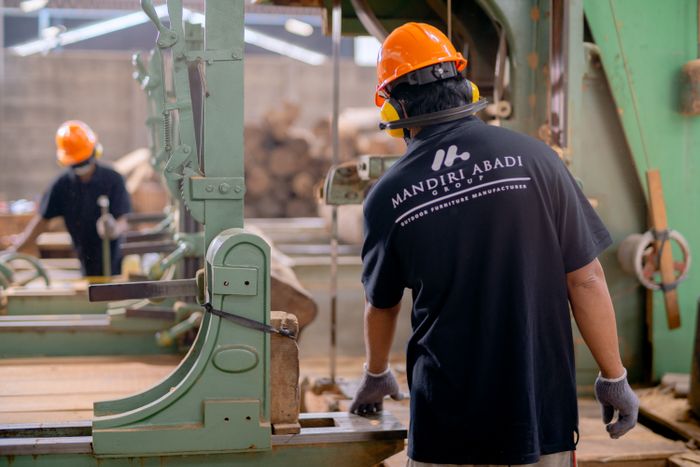
Process improvement, tooling and fixture design, automation, scrap and yield reduction, new production lines.

New features, architecture work, performance and integration problems solved through iteration.

Design development, tolerance and materials work, systems problem solving on non-standard specifications.

Means and methods, structural and MEP problem solving, design-build work on complex sites.
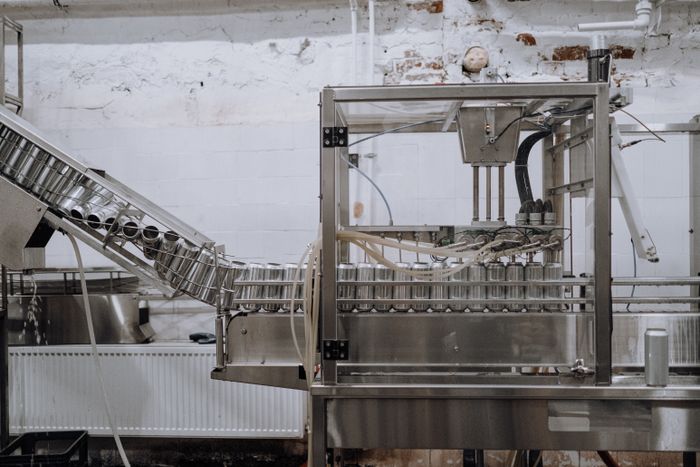
Recipe and formulation work, shelf life, packaging, scale-up from pilot batch to production.
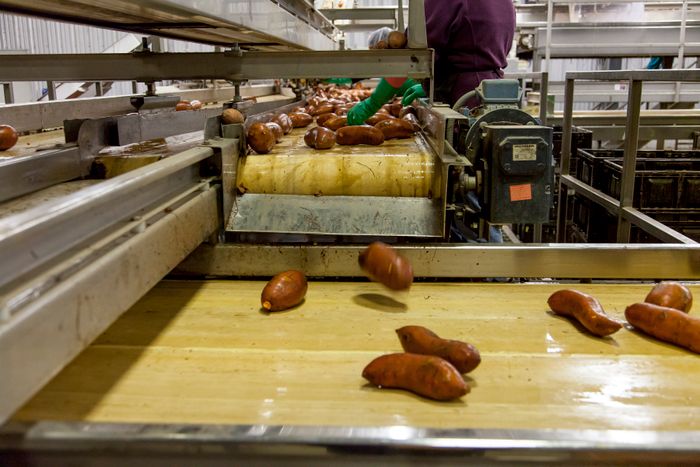
Field trials, breeding and growing methods, process and equipment development.
Pre-revenue and early-stage companies can apply up to 500,000 dollars of the credit per year against payroll taxes even with no income tax due.
How it works
You keep running production. We run the study, build the documentation the credit requires, and work alongside your CPA rather than around them.
Basic company detail and a rough sense of your technical spend. No cost, no commitment.
We walk the four-part test against your actual projects with your technical lead.
Qualified expense analysis and contemporaneous documentation. Most studies run four to eight weeks.
We hand your preparer the figures and the support. Nothing upfront. Our fee is a percentage of the credit we find.
Who you are working with
Opscale Exchange is a private advisory firm built by people who have run tax operations at national scale. It is not a government agency and is not affiliated with the IRS.
Across our team's careers we have helped uncover more than 6 billion dollars in government credits and incentives, and led roughly 300 retail tax offices across a national footprint. The research credit is a lane we know well.
Start my intake
No cost to look. If the four-part test is met at your company, we will tell you what the claim looks like. If it is not, we will tell you that too.